This is a popup dialog that overlays the main content of the page. The popup includes a search form to help you find the information you are seeking. Pressing the close button or using the escape key will close the popup.
Jake Hoyungowa
Our Work Environmental Justice
Supporting tribes’ efforts to protect their land, water, air, sacred sites, and public health.
When Indigenous communities bear the brunt of pollution, it is not fair treatment. It is environmental racism.
Here on the Colorado Plateau, extractive industries have left behind toxic legacies that disproportionately impact Native peoples and tribal lands, from abandoned uranium mines and radioactive tailings piles to poisoned wells and depleted aquifers.
We stand with Native communities in their tireless efforts to seek environmental justice and build just futures that prioritize people and health over profits.
Tim Peterson
Environmental injustice
The radioactive dump next to Bears Ears National Monument
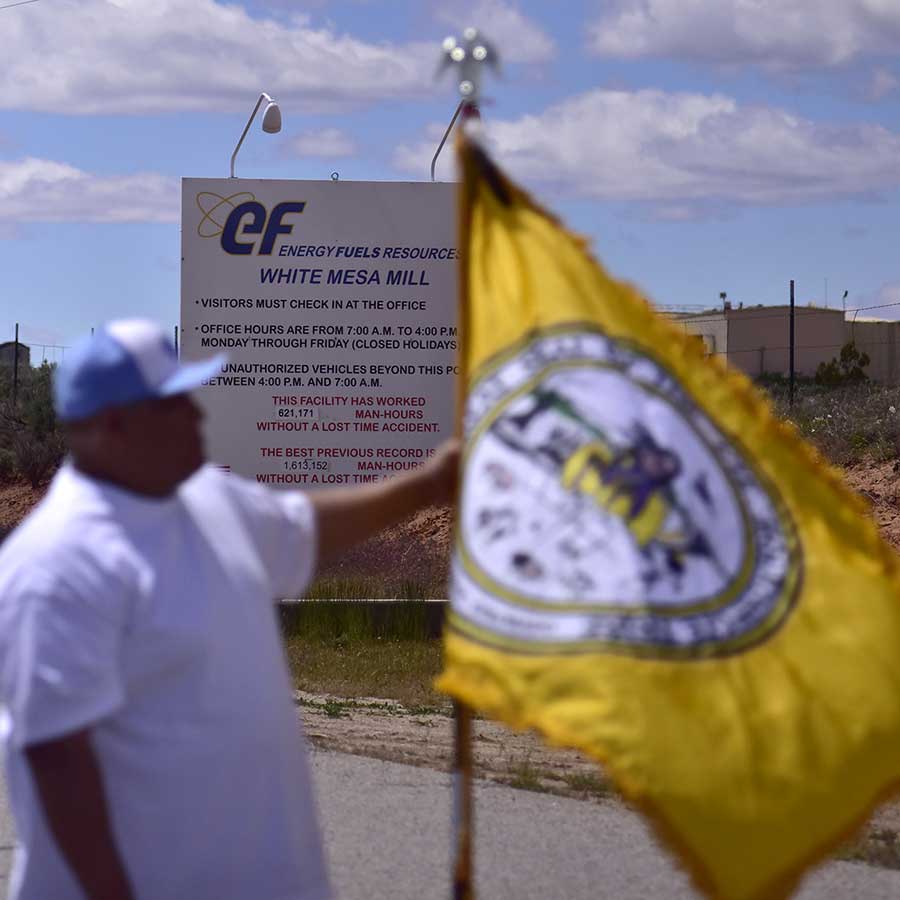
Communities across America have fought to remove radioactive waste from their backyards. Now the Ute Mountain Ute Tribe and Bears Ears National Monument are forced to reckon with it in theirs.
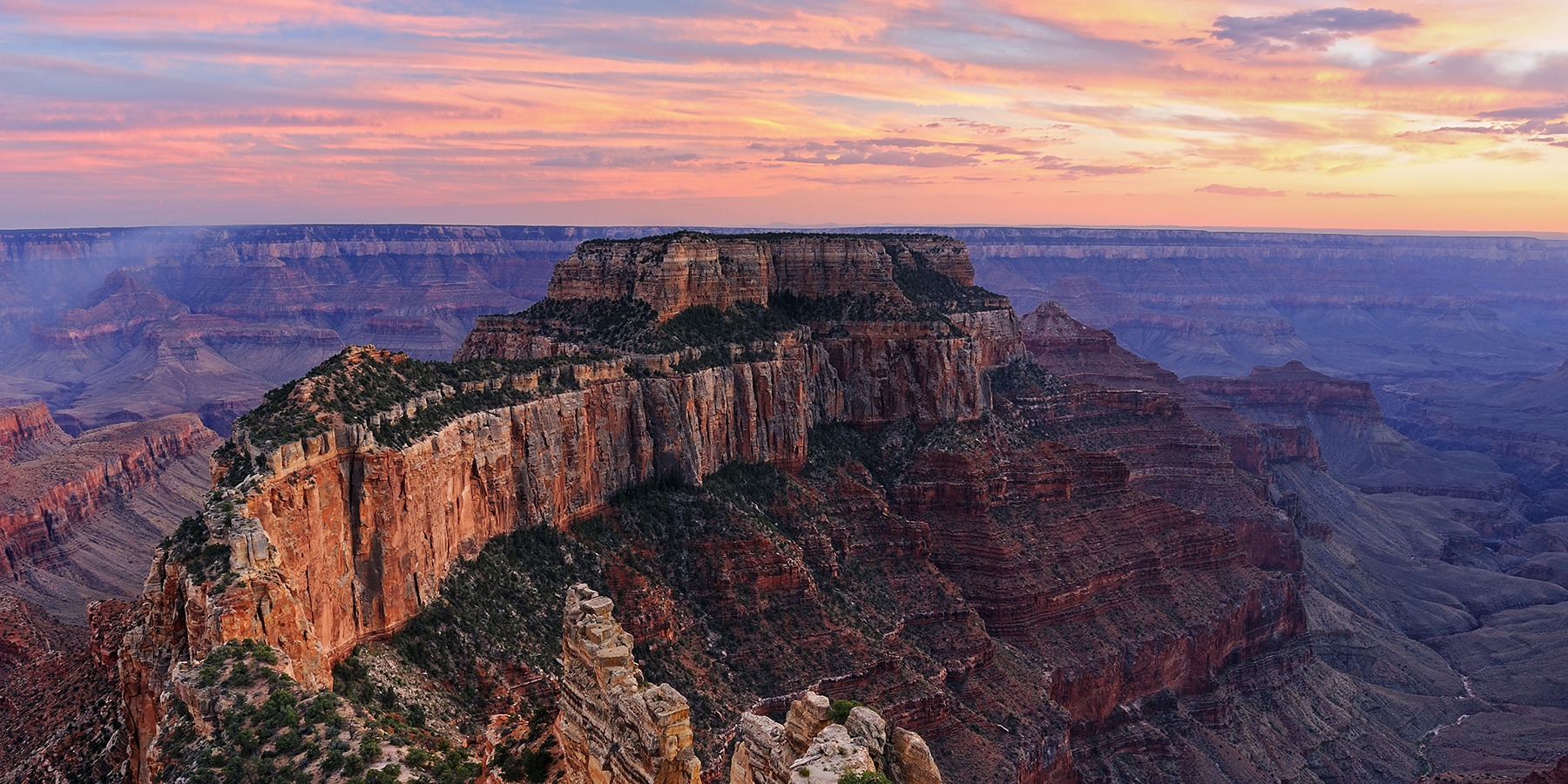
A uranium mine less than 10 miles from the South Rim threatens precious groundwater in the Grand Canyon region. The Havasupai Tribe is concerned about the mine contaminating the Redwall-Muav aquifer, the tribe’s sole source of drinking water.
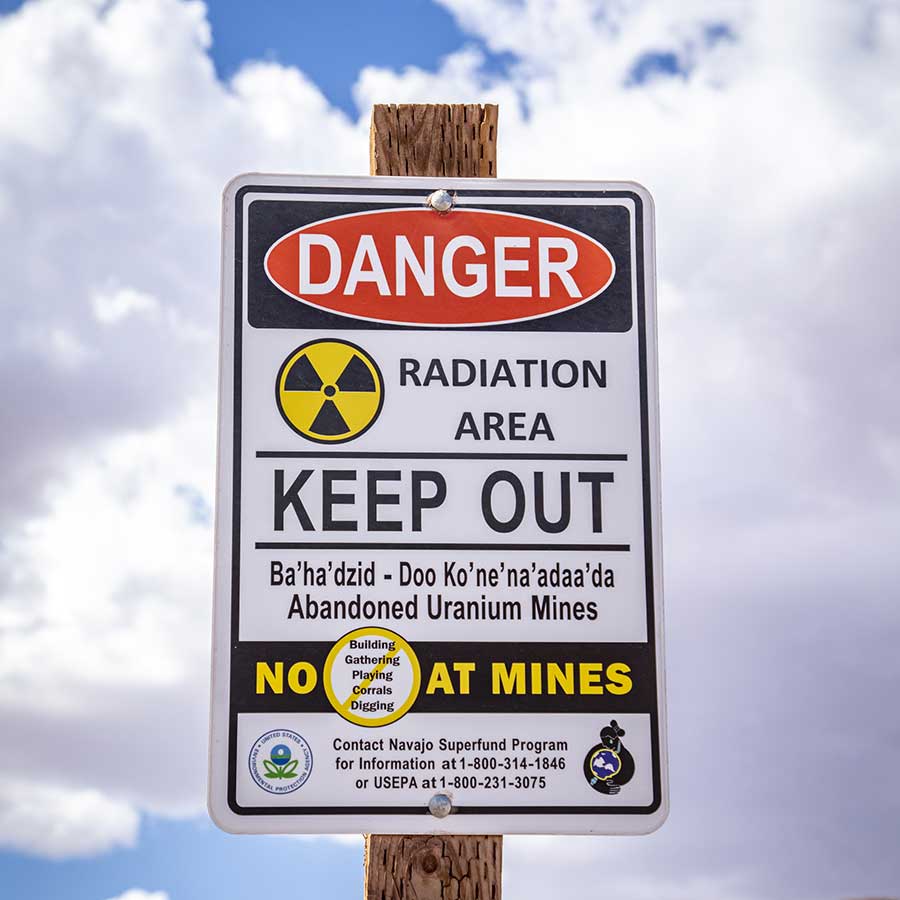
Between the 1940s and 1960s, uranium mining peaked throughout the Colorado Plateau to support the U.S. nuclear energy program. Estimates suggest there have been over 1,000 mines on the Navajo Nation alone. Today, more than 500 of those mines have been abandoned and remain in need of cleanup.
As uranium prices rise, the mining company that operates Pinyon Plain uranium mine near the Grand Canyon hopes to profit by developing at least one other mine in the Grand Canyon region.