This is a popup dialog that overlays the main content of the page. The popup includes a search form to help you find the information you are seeking. Pressing the close button or using the escape key will close the popup.
Ed Moss
Aspen Restoration
Improving the health of aspen forests in Utah
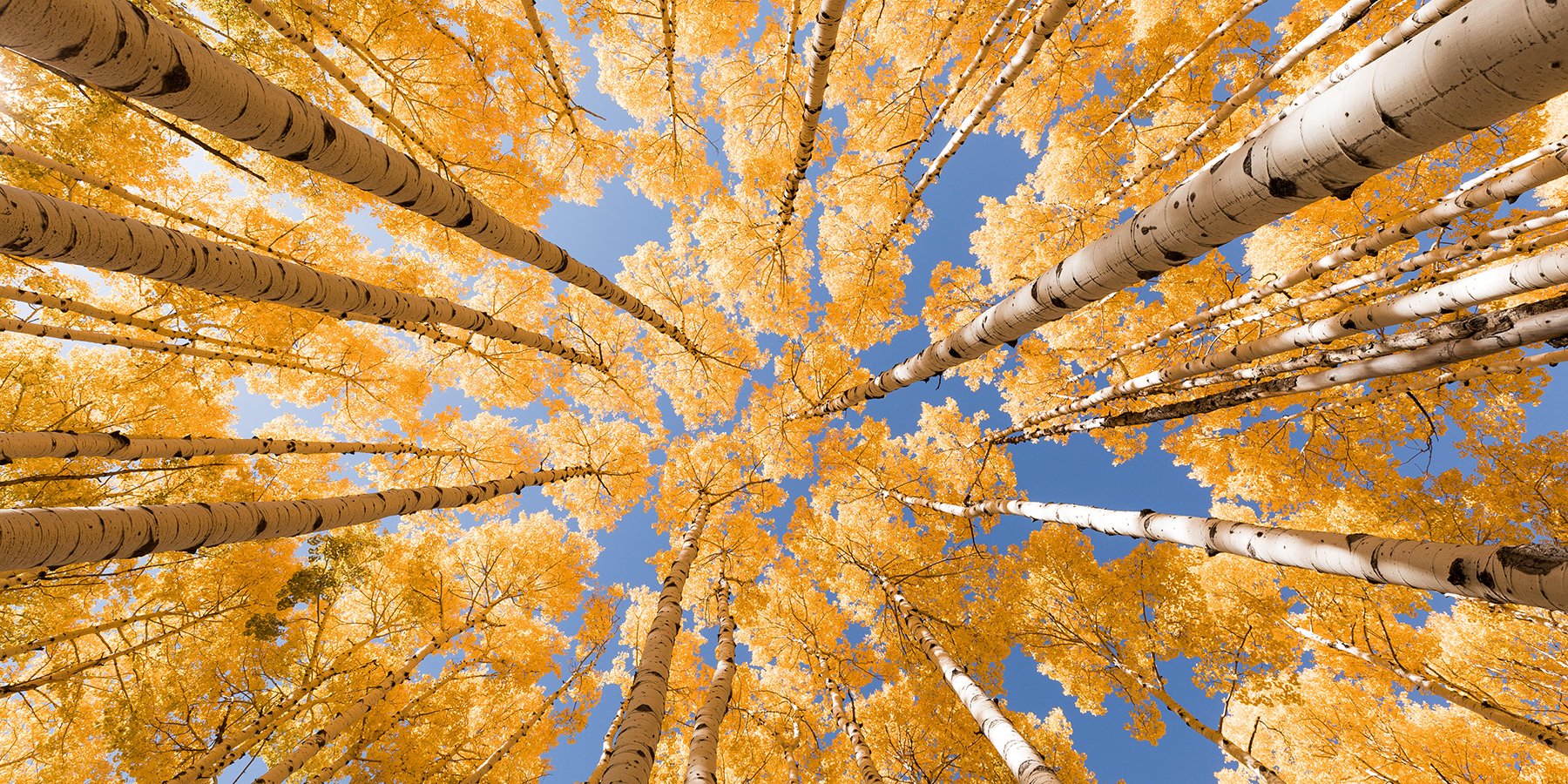
Each fall, aspen trees cast a golden glow on mountain slopes. But aspen are dying throughout the West, and bald patches are replacing once brilliant stands.
We’re working to improve the health of aspen forests in Utah alongside the U.S. Forest Service and dozens of other partners.
Where we work
Blake McCord
Monroe Mountain
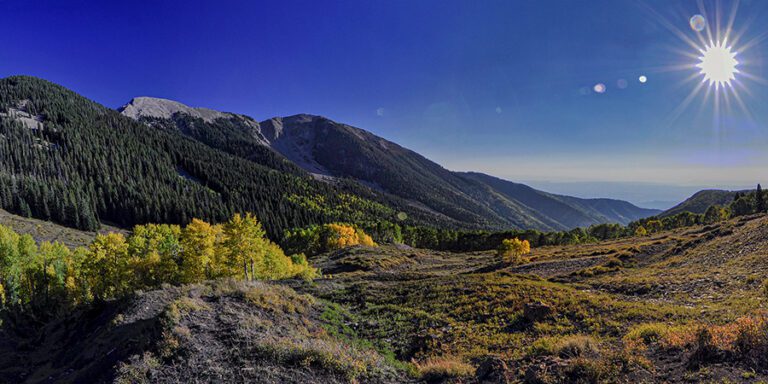
A sky-island in south-central Utah with vast stands of aspen where aspen restoration is making a difference.
Blake McCord
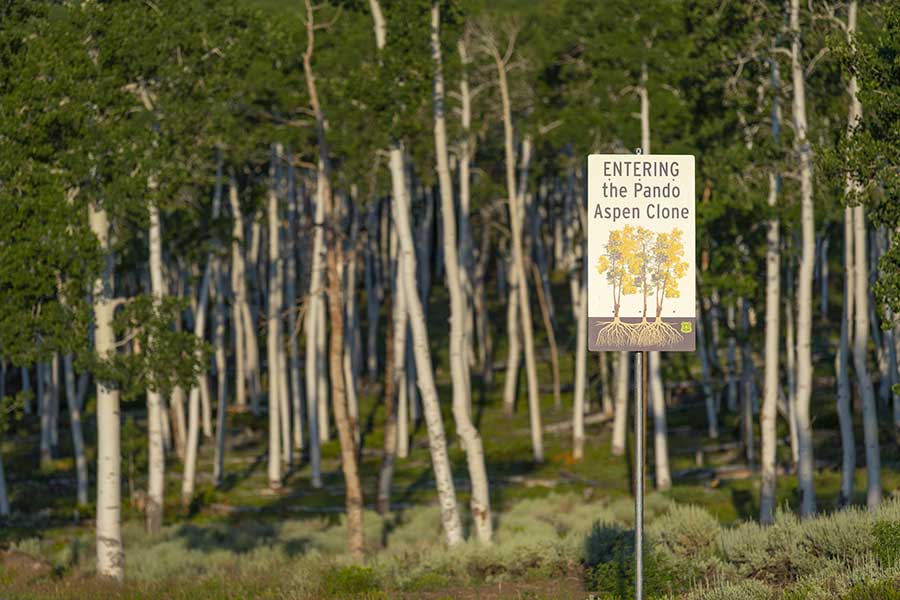
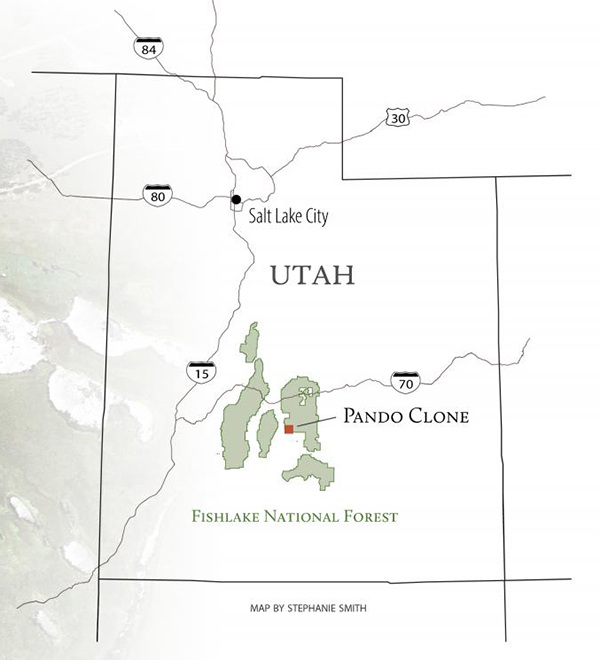
Pando Clone
The world’s largest aspen clone is dying, making aspen restoration urgent. Find out why ›
What do healthy aspen forests look like?
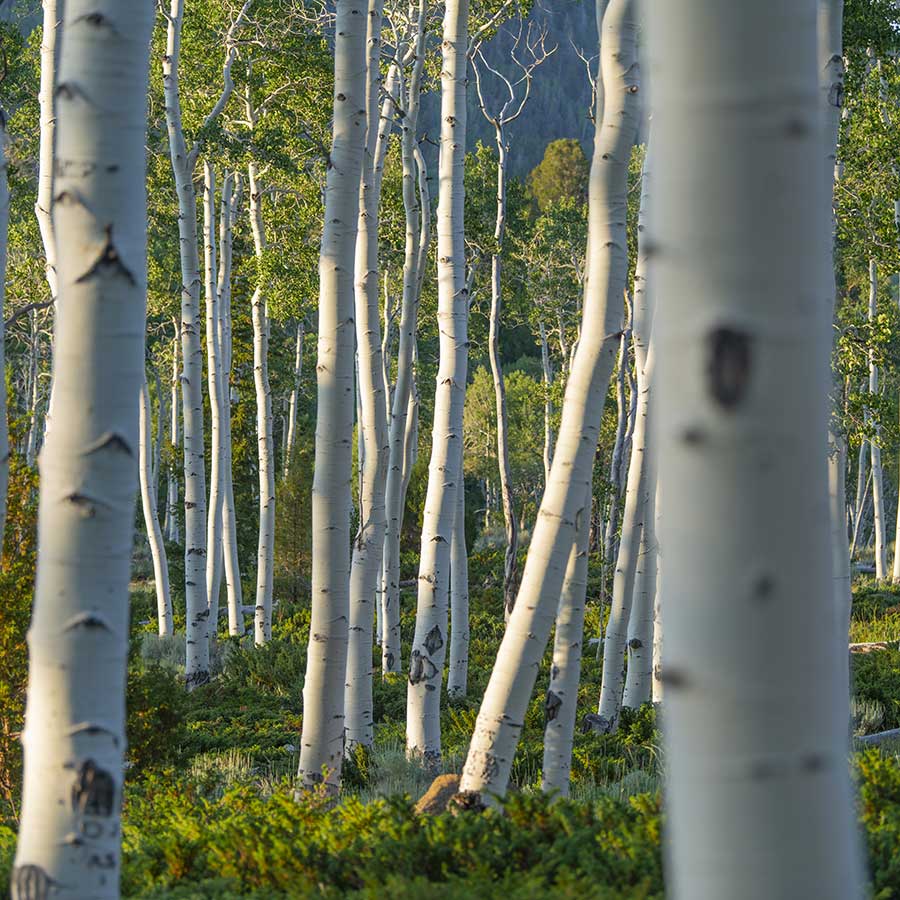
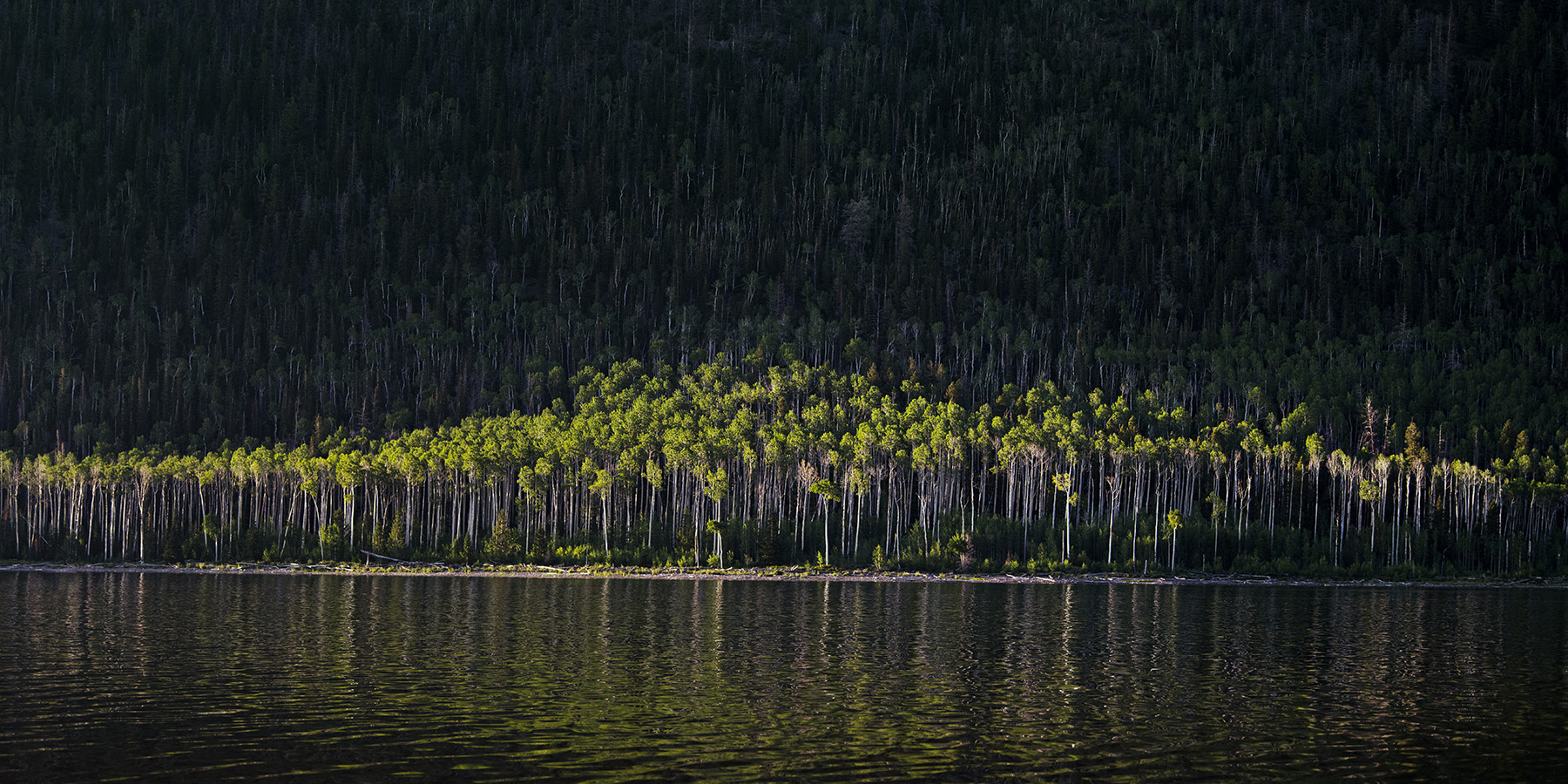
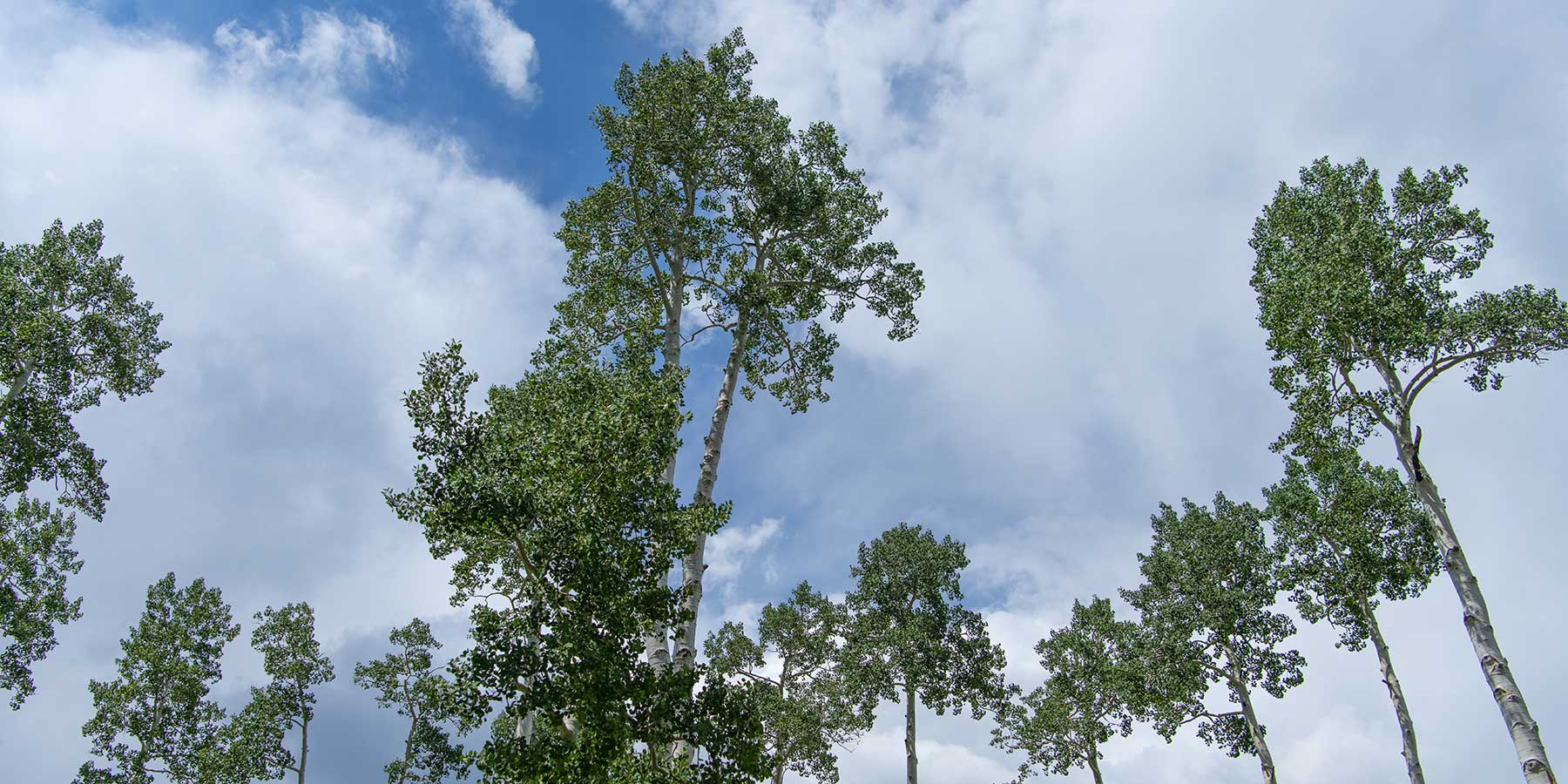
Aspen stands are made up of genetically identical trees that share a root system.
Clones reproduce by sending up new shoots, but the green tops are a favorite food of deer, elk, and cattle.
Animals feasting on new sprouts prevents the sprouts from growing into full-sized trees and results in the slow decline of clones.
Blake McCord
We advocate for less grazing in Utah’s national forests to give aspen the chance to thrive.
Blake McCord
What we do
Study and monitor aspen regrowth
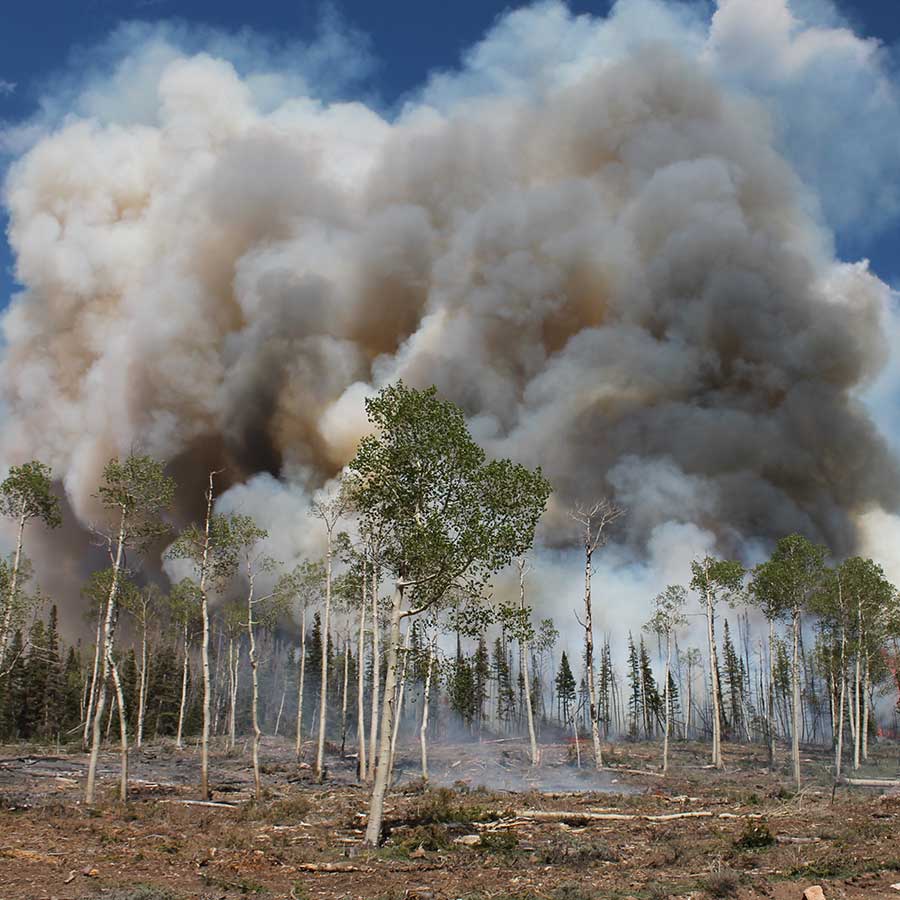
Overgrazing is only part of the story. Decades of fire suppression have allowed other species like pines, spruce, and fir, to shade out and outcompete sun-loving aspen. That’s why we’re working with partners and the Forest Service to study the results of various treatments, such as thinning, prescribed burns, and fencing out grazing animals.
What we do
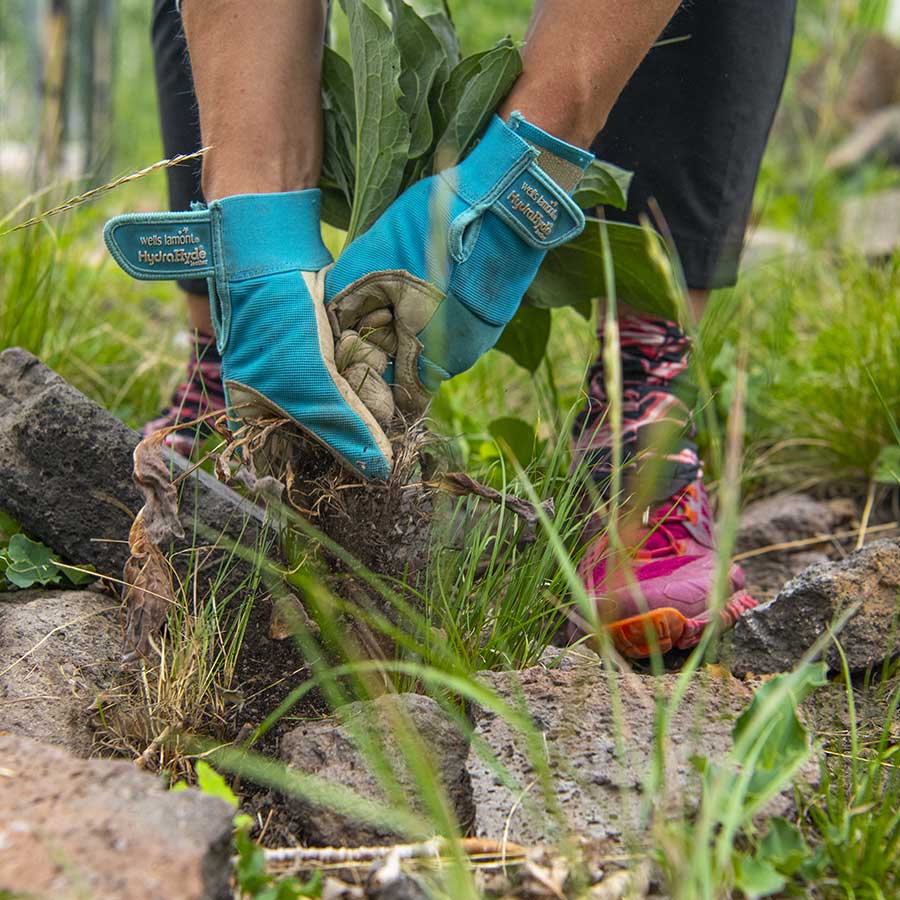
Pull invasive plants
Invasive weeds, like non-native thistle and houndstongue, push out native plants and can form monocultures across our forest floors. We pull weeds in fenced reference areas year after year to shift the balance of understories toward native plants, which support an incredible diversity of native bees, birds, and other wildlife.
Blake McCord
Support the Trust and protect Utah’s aspen forests
Your donation funds on-the-ground conservation efforts and advocacy work.
Fire is a tool to help restore aspen forests. By bringing back natural fire patterns to our national forests, we can clear out evergreen trees, making space for aspens to fill in.
Blake McCord
The Pando Clone
One of the largest living organisms known on Earth is struggling to stay alive. Why?
The Pando Clone (meaning “I spread”) is one of the largest known organisms in the world. It is made up of 40,000 stems, covers 106 acres in the Fishlake National Forest, and weighs nearly 13 million pounds.
Today much of the clone is in serious decline. New shoots normally replace old, dying trees. But here, grazing animals’ appetites are outpacing the rate of new growth.
We work in plots within the clone where resident deer and cattle are fenced out, giving young aspen a chance to grow into mature trees. We return to these areas to pull invasive thistles and houndstongue and monitor the aspen’s new growth.
After many years of diligent work, the good news is that Pando is recovering. Read the story
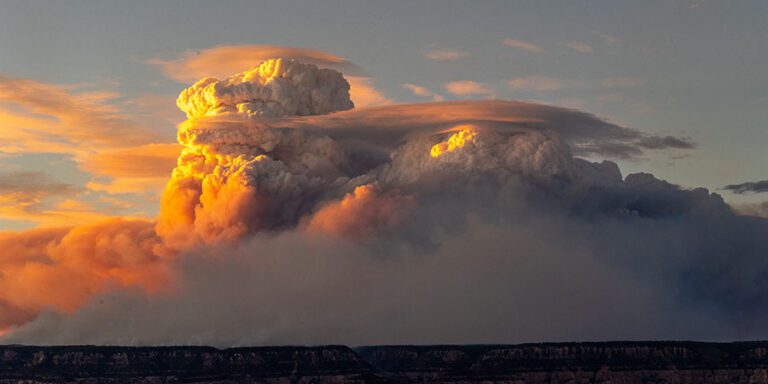
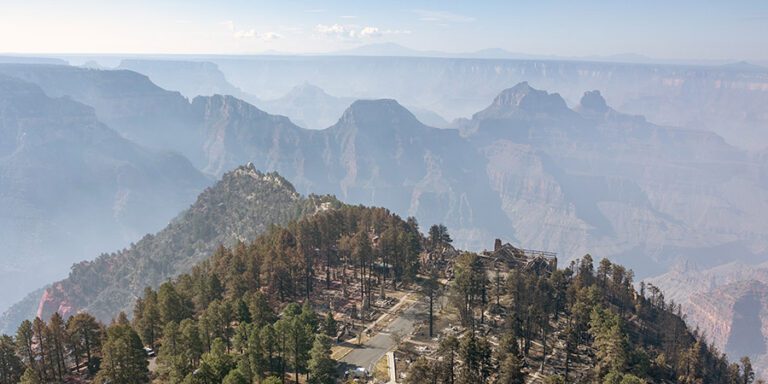
In the summer of 2025, fires raged across the north rim of the Grand Canyon. Now that the smoke has lifted, what does the future hold for the national park?
Grand Canyon wildfires burned across more than 200,000 acres in 2025. Now local communities are looking ahead at recovery and rebuilding on the North Rim.
The U.S. Forest Service needs to hear your support of the roadless rule. Comment by September 19, 2025 to stop the rollback of a policy that protects forest lands, watersheds, wildlife habitat, and more.
Blake McCord
Your gift to the Trust today protects the landscapes you love for tomorrow.
Help safeguard the forests of the Colorado Plateau